

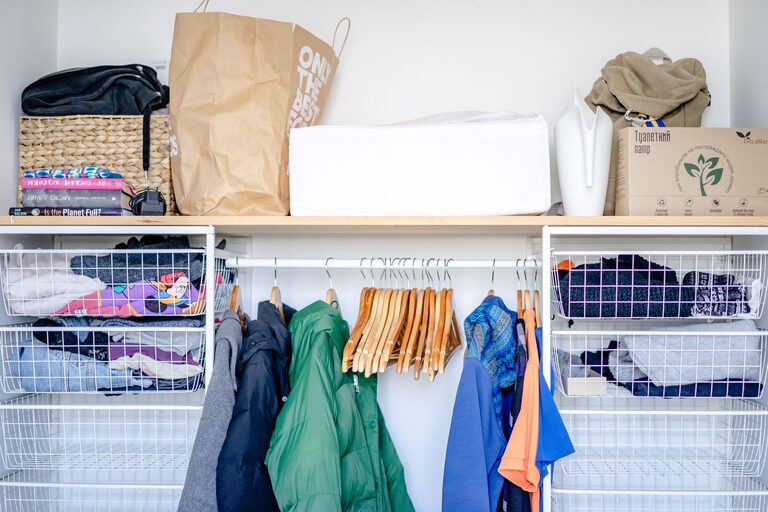
Storing seasonal clothes efficiently can help you maximize closet space, keep your wardrobe organized, and protect your garments from damage. Whether you’re transitioning from winter to spring or summer to fall, having a smart storage system makes changing your wardrobe easier and more enjoyable. Here are some practical tips to help you store your seasonal clothes efficiently and keep them in great condition for next season.
Why Efficient Seasonal Clothing Storage Matters
Seasonal clothes take up a significant amount of space. Without proper storage, they can become wrinkled, musty, or even damaged by pests. Efficient storage not only frees up room but also makes it easier to find the items you need when the season changes. Plus, organizing your wardrobe can reduce stress and save time getting dressed each day.
Steps to Prepare Clothes for Storage
Before packing away your seasonal clothes, it’s important to prepare them properly. This helps maintain fabric quality and prevents issues during storage.
1. Clean Everything Thoroughly
Wash or dry clean all items before storing to remove dirt, oils, and stains. Even small spots can attract insects or cause permanent damage if left untreated. Make sure clothes are completely dry to avoid mildew or mold formation.
2. Repair and Mend Items
Check for loose buttons, broken zippers, or small tears and fix them before storing. This saves you time when you bring clothes back into rotation.
3. Declutter Your Wardrobe
Use this opportunity to assess your wardrobe. Donate or recycle items you no longer wear. Fewer clothes to store means more space and less clutter.
Choosing the Right Storage Containers
Selecting appropriate storage containers is key to keeping your clothes protected and organized.
Types of Storage Containers:
– Plastic Bins with Lids: Airtight and stackable, ideal for preventing moisture and pests. Use clear bins for easy visibility.
– Canvas Storage Bags: Breathable and gentle on clothes, great for delicate fabrics. Not fully airtight, so best used in dry environments.
– Vacuum-Sealed Bags: Compress clothes to save space, but avoid using on delicate fabrics that can wrinkle or lose shape.
– Suitcase or Trunks: Reuse existing luggage or decorative trunks for storage and easy transport.
Tips for Container Use
– Label containers clearly with contents and season.
– Avoid overpacking bins to prevent wrinkles and fabric stress.
– Use acid-free tissue paper to wrap delicate garments and prevent color transfer or creasing.
Storing Clothes by Type
Organizing clothes by type makes it easier to find what you need when the season returns.
– Heavy Coats and Sweaters: Fold bulky items neatly to avoid stretching. Store in breathable fabric bags or plastic bins.
– Lightweight Tops and Dresses: Hang these items on sturdy hangers or fold carefully to prevent wrinkles. Consider garment bags for protection.
– Shoes and Accessories: Clean shoes and stuff with tissue paper to maintain shape. Store in boxes or shoe racks. Keep accessories organized in small containers or pouches.
Ideal Storage Locations
Choosing the right place to store your seasonal clothes helps maintain condition and accessibility.
– Closets: Use upper shelves or under-bed storage for off-season items. Make sure the area is clean and dry.
– Attics or Basements: Only if well-insulated and moisture-free. Use sealed containers to protect clothes.
– Storage Furniture: Armoires, chests, or storage benches provide functional and stylish storage options.
Avoid storing clothes in direct sunlight or damp areas, as this can cause fabric fading or mildew.
Maintaining Stored Clothes
Even when clothes are stored, occasional checks help keep them fresh and ready to wear.
– Open containers every few months to air out clothes.
– Use natural repellents like cedar blocks or lavender sachets to deter pests.
– Check for any signs of moisture or damage and address issues immediately.
Tips for Quick Seasonal Wardrobe Swaps
To make wardrobe transitions smoother:
– Plan storage and swapping days in advance.
– Sort clothes by season well before needed.
– Keep everyday items accessible and packed clothes out of the way.
– Use multi-tiered hangers and closet organizers to maximize space.
—
With these simple steps, storing seasonal clothes efficiently can become a hassle-free part of your routine. A well-organized wardrobe saves you time, space, and keeps your favorite clothes in excellent condition all year. Start today and enjoy the benefits of a clutter-free closet!