

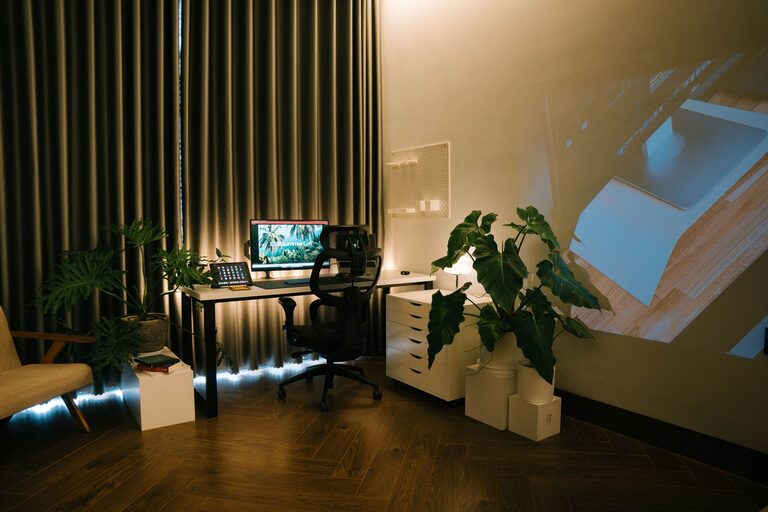
Creating a relaxing home workspace is essential for maintaining focus, reducing stress, and enhancing productivity while working remotely. Whether you work full-time from home or occasionally need a quiet spot for tasks, designing a space that promotes calm and comfort can make a significant difference. This guide will walk you through practical steps to set up a home workspace that helps you feel relaxed and productive throughout your day.
Why a Relaxing Workspace Matters
A cluttered or uncomfortable environment can lead to distractions, tension, and lowered motivation. Conversely, a thoughtfully designed workspace supports mental clarity, encourages creativity, and fosters a sense of well-being. By making your home office a place you enjoy spending time in, you can improve both the quality of your work and your overall mood.
Choosing the Right Location
Find a Quiet Spot
Select a location in your home that experiences the least amount of noise and foot traffic. This will help you focus and minimize interruptions during work hours.
Consider Natural Light
If possible, choose a spot near a window to take advantage of natural light. Sunlight can boost your mood and reduce eye strain. Avoid placing your monitor directly against the window to prevent glare.
Think About Privacy
If you share your home with others, try to create a workspace with some separation. Using room dividers, curtains, or positioning your desk in a less central area can help define your work zone and establish boundaries.
Designing Your Workspace for Comfort
Invest in a Good Chair
Comfortable seating is key to preventing back pain and maintaining good posture. Look for an ergonomic chair with adjustable height and lumbar support.
Use an Appropriate Desk
Choose a desk that fits your space and work needs. A surface large enough to hold your computer, notebooks, and any other tools helps keep things organized.
Position Your Screen Correctly
Ensure your computer monitor is at eye level to avoid neck strain. Consider using a monitor stand or adjustable arm to get the right height.
Keep Supplies Within Reach
Organize frequently used items like pens, notebooks, and chargers nearby to reduce distractions caused by searching for things.
Creating a Calm Atmosphere
Use Soft, Neutral Colors
Colors like soft blues, greens, or greys can have a calming effect. If repainting isn’t an option, consider adding accessories in these colors, such as pillows or desk mats.
Add Greenery
Houseplants can improve air quality and add a touch of nature, which helps reduce stress. Choose low-maintenance plants like succulents or spider plants if you’re new to indoor gardening.
Control Lighting
In addition to natural light, use warm, adjustable lighting. Lamps with dimmers or smart bulbs allow you to change the brightness based on the time of day or task.
Incorporate Personal Touches
Display a few meaningful items like photos, artwork, or inspirational quotes to make the space feel welcoming without overcrowding the area.
Minimizing Clutter and Distractions
Declutter Regularly
Remove unnecessary items from your desk and workspace to keep your environment tidy. A clutter-free space promotes clearer thinking and reduces stress.
Use Storage Solutions
Add shelves, drawers, or baskets to organize documents and supplies. Label containers for easy access.
Manage Cables
Use cable organizers or clips to keep wires neat and prevent tangling, which can otherwise create a messy appearance and distractions.
Limit Digital Interruptions
Turn off non-essential notifications on your devices and consider apps that block distracting websites during work hours.
Incorporating Break Zones and Movement
Take Short Breaks
Set a timer to remind yourself to take breaks every hour. Use this time to stretch, walk around, or practice deep breathing.
Include a Relaxation Spot
If space allows, add a cozy chair or small sofa nearby where you can step away from your desk for a few minutes to recharge.
Use Standing Desk Options
A standing desk or convertible workstation lets you alternate between sitting and standing, which can improve circulation and reduce fatigue.
Maintaining a Routine
Set Work Hours
Define clear start and end times for your workday to create structure and help separate professional and personal time.
Keep Your Workspace Ready
Always leave your work area organized at the end of the day. This makes it easier to start fresh the next morning.
Personalize Your Routine
Add rituals that help you transition into work mode, such as a cup of tea, a short meditation, or playing soft background music.
—
Creating a relaxing home workspace is a combination of thoughtful location choice, ergonomic furniture, calming decor, and good organization. Small changes can make your work environment more inviting and efficient, improving both your comfort and productivity. Start with one or two adjustments and build your ideal workspace over time to suit your preferences and needs.