

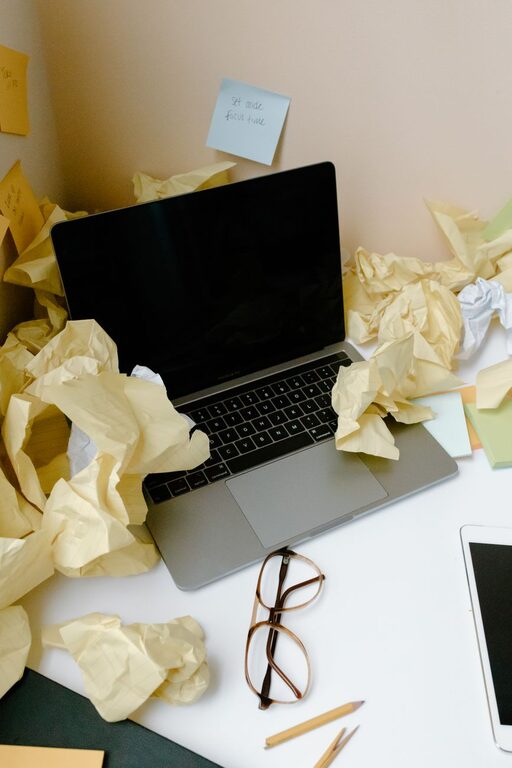
Paper clutter is a common challenge in many households. Bills, receipts, mail, school papers, and various documents tend to pile up quickly, creating a messy environment and making it harder to find important information when you need it. Fortunately, reducing paper clutter doesn’t require a major overhaul or expensive tools. With a few simple habits and strategies, you can keep your home organized and enjoy a clutter-free space. Here are practical ways to manage and reduce paper clutter at home.
Why Reducing Paper Clutter Matters
Before diving into solutions, it helps to understand why reducing paper clutter is beneficial:
– Improves focus and reduces stress: A tidy space promotes calmness and makes it easier to concentrate.
– Saves time: When papers are organized or eliminated, you won’t waste time searching for documents.
– Prevents lost documents: Proper management ensures important papers don’t get misplaced.
– Creates more space: Clearing paper clutter frees up physical space for other uses.
Step 1: Sort and Purge Regularly
The first step to reducing paper clutter is to go through the existing piles and decide what to keep, toss, or digitize.
Create Sorting Categories
Set up labeled boxes or bins for the following:
– Keep: Important documents like tax records, insurance papers, and warranties.
– Digitize: Papers you want to keep but don’t need physical copies of.
– Recycle: Junk mail, expired coupons, and unnecessary flyers.
– Shred: Items containing personal information such as bank statements.
Schedule Routine Decluttering
Make it a habit to sort through your papers weekly or monthly. Consistency prevents buildup and makes the task manageable.
Step 2: Reduce Incoming Paper
Controlling the amount of new paper coming into your home is key to preventing clutter.
Go Paperless Whenever Possible
– Switch to electronic billing: Most banks, utility companies, and service providers offer paperless billing options.
– Use email for communications: Opt for digital newsletters and updates instead of print versions.
– Encourage online documentation: For school or work paperwork, ask if digital copies are available.
Limit Junk Mail
– Register with direct mail preference services: Many regions have services to reduce unsolicited mail.
– Contact senders directly: Request removal from mailing lists.
Step 3: Use a Centralized Paper System
Having a dedicated space to handle all incoming paper helps avoid scattered piles.
Establish an Inbox Station
Designate a specific tray, basket, or file for all incoming papers. This will be the place to drop mail and important documents immediately.
Set Up Action Folders
Create folders labeled by purpose to process paper efficiently, such as:
– To File: Documents to be saved.
– To Pay: Bills and invoices.
– To Review: Forms or papers that need your attention.
– To Shred: Personal information to be destroyed.
Step 4: Digitize Important Documents
Scanning documents lets you keep digital copies without physical clutter.
Tools for Digitizing
– Smartphone apps: Many apps allow you to scan documents quickly with your phone.
– Dedicated scanners: For frequent scanning needs, consider a simple flatbed or portable scanner.
Organize Digital Files
Create folders on your computer or cloud storage that mirror your physical filing system to keep things easy to find.
Step 5: Create an Organized Filing System
Keep the paper you must retain neatly stored.
Choose the Right Storage
– Filing cabinets: Traditional but effective for long-term document storage.
– Accordion folders: Portable and good for categorizing smaller amounts.
– Binders: Useful for grouping related documents like manuals or warranties.
Label Clearly
Use clear, descriptive labels on folders and files for quick identification.
Step 6: Handle Paper Immediately
One of the best ways to prevent clutter is to process paper as soon as it enters your home.
– Deal with mail daily: Sort it right away into your inbox station and folders.
– Pay bills promptly: Avoid stacking unpaid invoices.
– Discard junk mail immediately: Don’t let it linger.
Bonus Tips for Maintaining Paper Clarity
– Limit sentimental papers: Keep only meaningful cards or photos; consider digital photo albums.
– Shred sensitive papers regularly: Dispose of documents with personal data to protect your privacy.
– Teach family members: Encourage everyone in the household to follow the system to keep it effective.
– Set reminders: Use calendar alerts to review and purge files periodically.
—
By incorporating these straightforward strategies, you can significantly reduce paper clutter in your home. Not only will this create a cleaner and more organized environment, but it will also save you time and reduce stress. Start small, stay consistent, and enjoy the benefits of a clutter-free space!